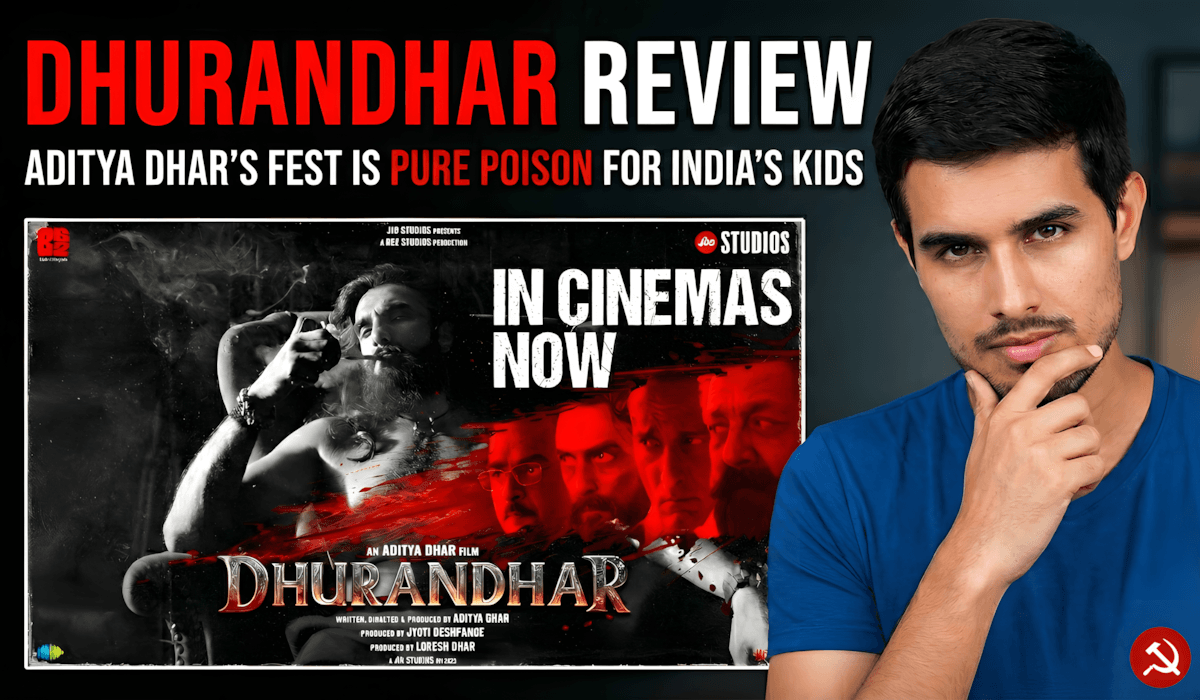
Picture your 12-year-old glued to a screen, eyes agog, as Bollywood’s latest offering, Aditya Dhar’s Dhurandhar, unleashes a chainsaw symphony. We are talking flayed flesh, beheaded bodies, and villains skinned alive for “revenge.”
This is not cinema; this is psychologically engineered to desensitize the youth. It force-feeds a particular brand of sadism that should, in effect, numb tomorrow’s India. Known for Uri, Dhar here isn’t just directing a film; he is twisting Kargil horrors into a “hate p*rn” spectacle without any semblance of nuance.
Wake up, viewers. Your patriotic popcorn binge may be fostering a generation of communal hatred, scene by scene. If that does not disturb you, nothing will. Here’s our honest Dhurandhar Movie Review.
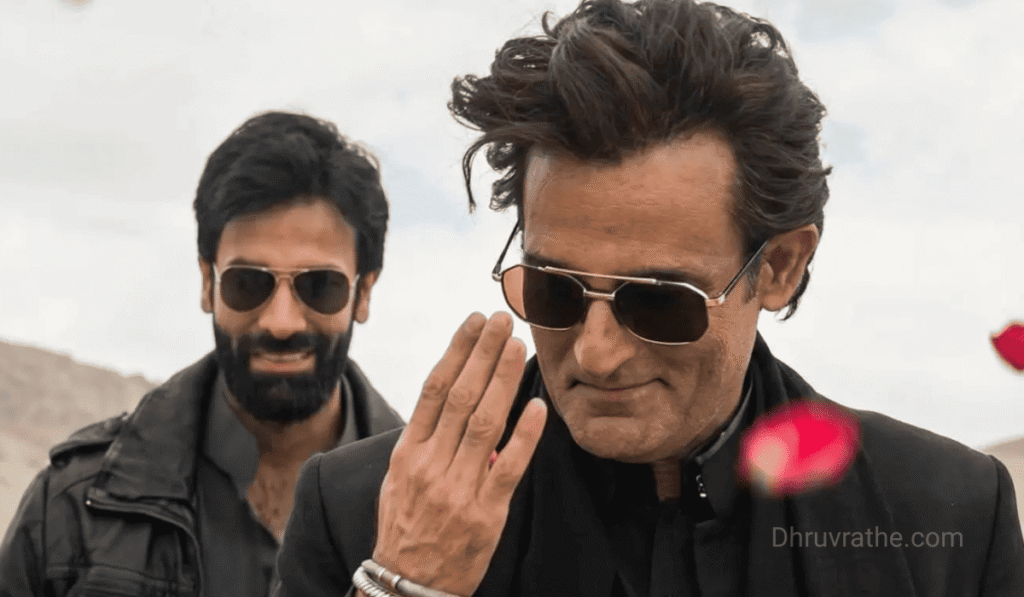
Dhurandhar Movie Chapters
Chapter 1: Why I Wanted to Walk Out in the First 20 Minutes
You might walk in for stars like Madhavan and Ranveer. I walked in hoping for a spy thriller but got what felt like a taxpayer-funded recruitment video for radicalization.
Quietly shifted in this film was basic human decency, thrown straight into the trash bin with every brutalized body the camera zooms in on for slow-motion applause.
Chapter 2: A Film Told in Torture Episodes, Not Minutes
The filmmakers call it “deliberately episodic.” That is just a fancy word for “we couldn’t edit this bloated mess.” If you felt “recruited” while watching, that’s likely the point.
This film is not storytelling, but rather indoctrination in bites that are easy to digest. It wants the audience to leave thinking that skinning people alive is “functional” and “patriotic.”
And the “lived-in, raw” Karachi you see? It’s built on the same sets used for Afghanistan narratives last year. It is cardboard bigotry with high-budget lighting.
Chapter 3: The Ensemble: A Propaganda Delivery System
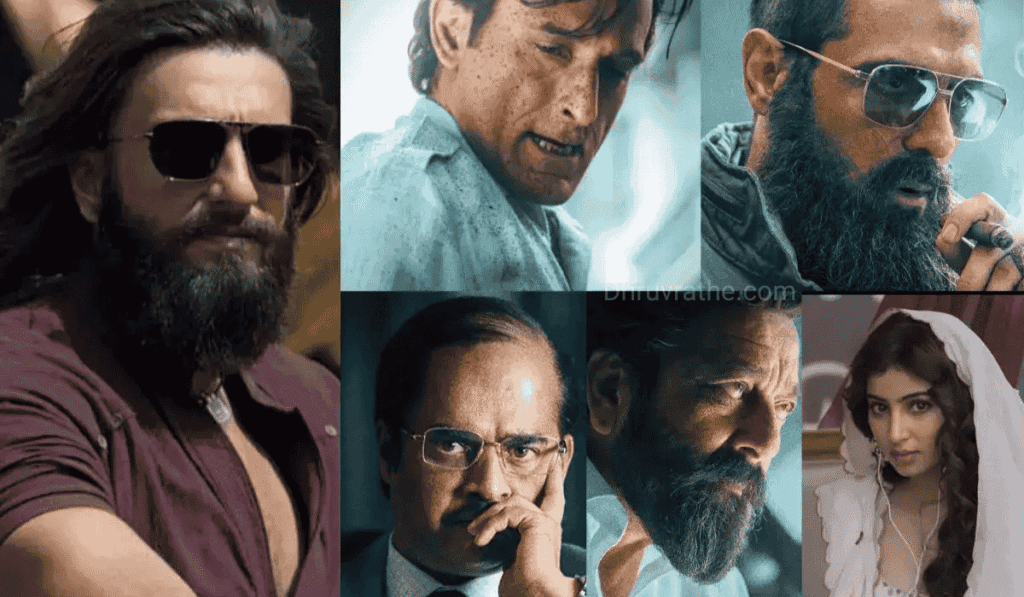
The creators claim that each actor was placed there for a reason. I agree, the reason for normalizing sadism. Here is the breakdown:
Ranveer Singh: His “restraint” is zilch. For three hours, he growls and grunts like a wild animal. It is called “inward acting”; I call it a lack of direction.
Akshaye Khanna: His silence isn’t scary; it’s smug. It gives off the energy of someone who thinks a smirk equals depth.
Sanjay Dutt: Critics say he brings “weight.” In reality, he brings a tired performance that feels like a walking midlife crisis.
Arjun Rampal: Supposedly “unsettling.” The only thing unsettling is the caricature he has been asked to play.
R. Madhavan: He plays the cool, calculating boss giving moral cover for war crimes. He does not breathe authority; he exhales political pamphlets.
Chapter 4: Violence Celebrated Like Fireworks
Several reviews have claimed, “This is violence without celebration.” Are we all watching the same film?
Every severed finger and every drill into a skull gets its own bass drop and audience wolf-whistles. You might call it “functional,” but in this Dhurandhar Movie Review, I call it a fetish.
This instantly got an ‘A’ certificate from the Censor Board, which otherwise begins to cry at even romance scenes. It feels like sprayed violence for shock value to appease a particular political demographic segment.
Chapter 5: The Sound That Deafens Logic
The score is described as “muscular and overwhelming.” In fact, it is a sonic assault intended to drown out your conscience.
Those “emotional” lyrics that “landed” on TV? They are the same jingoistic tracks that play at political rallies. You just need distance from the theatre’s subwoofers to realize you’ve been acoustically manipulated into liking it.
Chapter 6: Brand Dhurandhar = Brand Hate 2.0
“Strategy beats swagger: implies that state violence beats the rule of law. “Silence Louder Than Slogans” essentially acts as a dog whistle for communal division.
“Team outlives stars” suggests that individual rights don’t matter, only the ideology does. You aren’t watching “institutional memory.” You are watching the birth of a cult where torture replaces justice.
NET NET: The Verdict
Dhurandhar is neither “ambitious” nor “grounded.” It is long, indulgent, and dangerously starry-eyed about state-sponsored slaughter. It doesn’t command attention; it hijacks it with trauma bonding and loud nationalism.
Social Media War: Dhruv Vs Andhbhakts On Dhurandhar Movie
The takedown of Dhurandhar’s trailer by Dhruv has created a storm in the digital chaos called X. He has compared the gore to “ISIS tactics as entertainment.”
This let loose an army of trolls. Dhruv didn’t flinch; he fired back with facts on how the film cherry-picked tragedies. A look at the attacks Dhruv dismantled:
Rohan Kumar: Bragged about buying tickets just to spite Dhruv. Dhruv’s reply? Spite-watching doesn’t make propaganda profound; it is sad.
Rahul (Ind): Accused Dhruv of “barking” because the film exposes past negligence. Dhruv gave receipts of border blunders under the current administration.
Ajay Singh: Blamed Dhruv for “propaganda against Yami Gautam.” The screenshot dump that Dhruv did on the factual errors of the film ended that debate rather quickly.
Bhartiya: Tried to flip historical critiques against Dhruv. Dhruv amplified it with a point-by-point debunk, exposing double standards on violence.
The Saffron Man: Dismissed Dhruv for liking Gangs of Wasseypur but hating this. He got “ratioed” by Dhruv’s thread on the difference between artistic violence and hate propaganda.
These trolls are not debating; they are detonating. Dhruv’s counters prove that sunlight is the best disinfectant for toxic narratives. Tweets link➠
Mainstream Movie Critics On Dhurandhar Movie:
The “Review Racket”: Stamps of Approval? Mainstream critics seem to be churning out high ratings for anything with an aggressive “anti-neighbor” punch.
Times of India: Called it a “Kickass spy thriller.” Zero hate? Tell that to the caricatured villains. ✘
NDTV: Cooed over “feral Ranveer Singh” driving an “indulgent” thriller. Indulging what? The audience’s bloodlust? ✘
Rediff: Tiptoed around “excessive violence” but deemed it “promising.” ✘
Under the current climate, these “reviews” often feel scripted. Censors slash “vulgar” dances but let disembowelments pass because of “national security.”
Truth-Tellers: The Rare Rays of Light. Not everyone is sipping the Kool-Aid. Some outlets provided an honest Dhurandhar Movie Review.
The Hindu: Called it “Revenge served cold,” an “overstretched, chest-thumping espionage saga”. ✔
The Indian Express: Dropped a truth bomb, stating the film pushes a bigoted vision, gaslighting audiences into swallowing hate. ✔
YouTube’s Reviewers On Dhurandhar Movie
Mint (Uday Bhatia): Described it as “Sadism and expert bad vibes” in a hellscape, justifying every jingoistic jab.
The Deshbhakt (Akash Banerjee): Steals the show with “Everyone Dhurandhar Exposed,” shredding the lies and linking the movie to border politics.
Suchitra Tyagi: Her video “Dhurandhar And The Dawn Of Hyper-Masculine Hindi Cinema” eviscerates the toxic testosterone terrorizing the screen.
Conclusion
Boycott the Bile, Dhurandhar represents a democratic decay on celluloid. It is a bigoted barrage breeding tomorrow’s hate, all while the directors cash checks.
Dhruv Rathee’s verdict is unequivocal: It is an unadulterated toxin for tender minds. Ditch the darkness and demand daylight in our stories. If we let this fascist style of filmmaking fester, we aren’t just divided, we are defeated.
Author: Fatima Sara Ahmed